
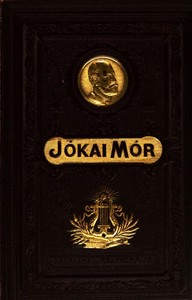
A janicsárok végnapjai; A fehér rózsa by Mór Jókai
Mór Jókai’s ‘A janicsárok végnapjai; A fehér rózsa’ (The Last Days of the Janissaries; The White Rose) throws you right into the chaotic final chapter of the 1848-49 Hungarian Revolution. Forget dry history—this is history lived through the boots of soldiers.
The Story
We follow a band of Hungarian Janissaries, an elite unit, as their world falls apart. The revolutionary cause is failing, and Austrian and Russian forces are closing in. The plot follows their grim retreat, their final, defiant stands, and the personal dramas that explode under the pressure. Central to it all is the symbol of the White Rose—a token of love, loyalty, and ultimately, tragic sacrifice. It’s a story of rear-guard actions and whispered conspiracies, where every decision could be your last and the bonds between comrades are the only thing left to fight for.
Why You Should Read It
Jókai makes history breathe. He was writing not long after these events, and it shows. You feel the mud, the exhaustion, and the stubborn flicker of patriotism in his characters. What really got me was the human cost. This isn’t a glorified war epic; it’s a sobering look at what happens to young men when a dream dies. The characters aren’t perfect heroes—they’re scared, angry, and sometimes hopelessly naive. Their struggle feels desperately real. The ‘White Rose’ thread adds a beautiful, melancholic layer of romance and personal loss that cuts through the military grit.
Final Verdict
This is perfect for anyone who loves character-driven historical fiction. Think of it as a Central European cousin to stories about the Alamo or the Charge of the Light Brigade—a tragic, heroic last stand. It’s for readers who want more than dates and troop movements; who want to understand the heart and the heartbreaking cost of a failed revolution. If you enjoyed ‘The Three Musketeers’ for its camaraderie but wished it had more historical gravity, Jókai’s masterpiece is your next great read.
Legal analysis indicates this work is in the public domain. Use this text in your own projects freely.
Susan Thomas
2 months agoA bit long but worth it.
Mark Miller
2 years agoI stumbled upon this title and the flow of the text seems very fluid. Absolutely essential reading.
Emma Ramirez
11 months agoThis book was worth my time since the pacing is just right, keeping you engaged. I couldn't put it down.
Mark Anderson
11 months agoEssential reading for students of this field.

Lucas Brown
1 year agoIf you enjoy this genre, the atmosphere created is totally immersive. Don't hesitate to start reading.